Mindful Living · Tea Spa Journal
Doing nothing isn’t always resting
You’ve spent the entire afternoon on the couch. Your favorite show is playing, your phone is within reach, and you’ve barely moved for hours.
Technically, you’ve done nothing. So why do you still feel exhausted?
It’s a curious contradiction. We spend our days longing for a break, only to discover that sometimes, even after hours of inactivity, we don’t feel particularly rested. Perhaps the problem isn’t that we haven’t stopped moving. Perhaps it’s that we’ve confused being inactive with being at rest.
When the body stops but the mind keeps running
Imagine arriving home after a long day. You change into comfortable clothes, settle onto the couch, and reach for your phone. One video becomes another. A few minutes turn into an hour. Your body is still, but your attention keeps moving. You’re reading messages, watching videos, processing information, and perhaps comparing your life with carefully curated glimpses of someone else’s.
Eventually, you put your phone down.
Your body hasn’t been doing much, but your mind may still feel busy. This doesn’t mean scrolling through social media or watching television is inherently bad. Entertainment is enjoyable, comforting, and genuinely relaxing. But inactivity alone doesn’t guarantee restoration. The more meaningful question is not simply, “Did I stop working?” It’s “Did I give myself what I actually needed?”
Understanding the difference
Inactivity generally means that we’re not engaging in much physical movement or activity. Rest, however, can involve different forms of recovery, depending on what has been demanding our energy. Sometimes, the body needs sleep. Sometimes, the mind needs a break from constant decisions and information, and sometimes, what we need most is a conversation, a change of scenery, or time away from responsibilities.
This is why rest doesn’t always look like lying down.
A peaceful walk can feel restorative. So can gardening, reading, listening to music, or spending time with someone who makes you feel comfortable. Likewise, an afternoon spent sitting still may not feel particularly restful if we’re worrying about tomorrow’s deadlines. Neither experience is wrong. They simply remind us that different needs may call for different kinds of rest.
The science of slowing down
Stress affects more than our mood. When we experience stress, the body activates physiological responses that help us respond to perceived demands or threats. Although these responses are useful in certain situations, prolonged stress can take a toll on well-being. Relaxation practices can help encourage the body’s relaxation response, which is associated with slower breathing, a lower heart rate, and reduced physiological arousal.
The National Institutes of Health identifies techniques such as deep breathing, progressive muscle relaxation, and mindfulness meditation as approaches that may help people manage stress. Research also suggests that mindfulness practices can support stress reduction and sleep quality for some people. This doesn’t mean every quiet activity has the same effect or that one relaxation technique works for everyone. Instead, it suggests something worth remembering, intentional relaxation can be different from simply passing the time.
How to recognize what you need
The next time you feel exhausted, ask yourself:
Am I physically tired? Perhaps your body needs adequate sleep, a comfortable environment, or a break from physical demands.
Am I mentally overwhelmed? You might benefit from stepping away from screens, limiting distractions, or spending a few minutes focusing on your breathing.
Am I emotionally drained? Perhaps you need space to process your feelings, spend time with someone you trust, or temporarily step away from responsibilities.
Am I simply craving enjoyment? A favorite movie, a creative hobby, or an afternoon with friends may be exactly what makes life feel lighter.
Making room for mindful rest
At Tea Spa Wellness, we strongly believe mindfulness begins with awareness, which is part of our philosophy of Sharing Inner Peace.
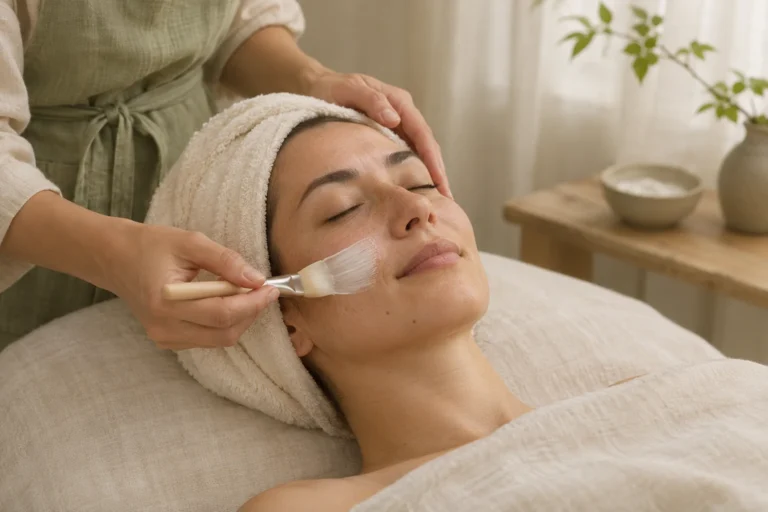
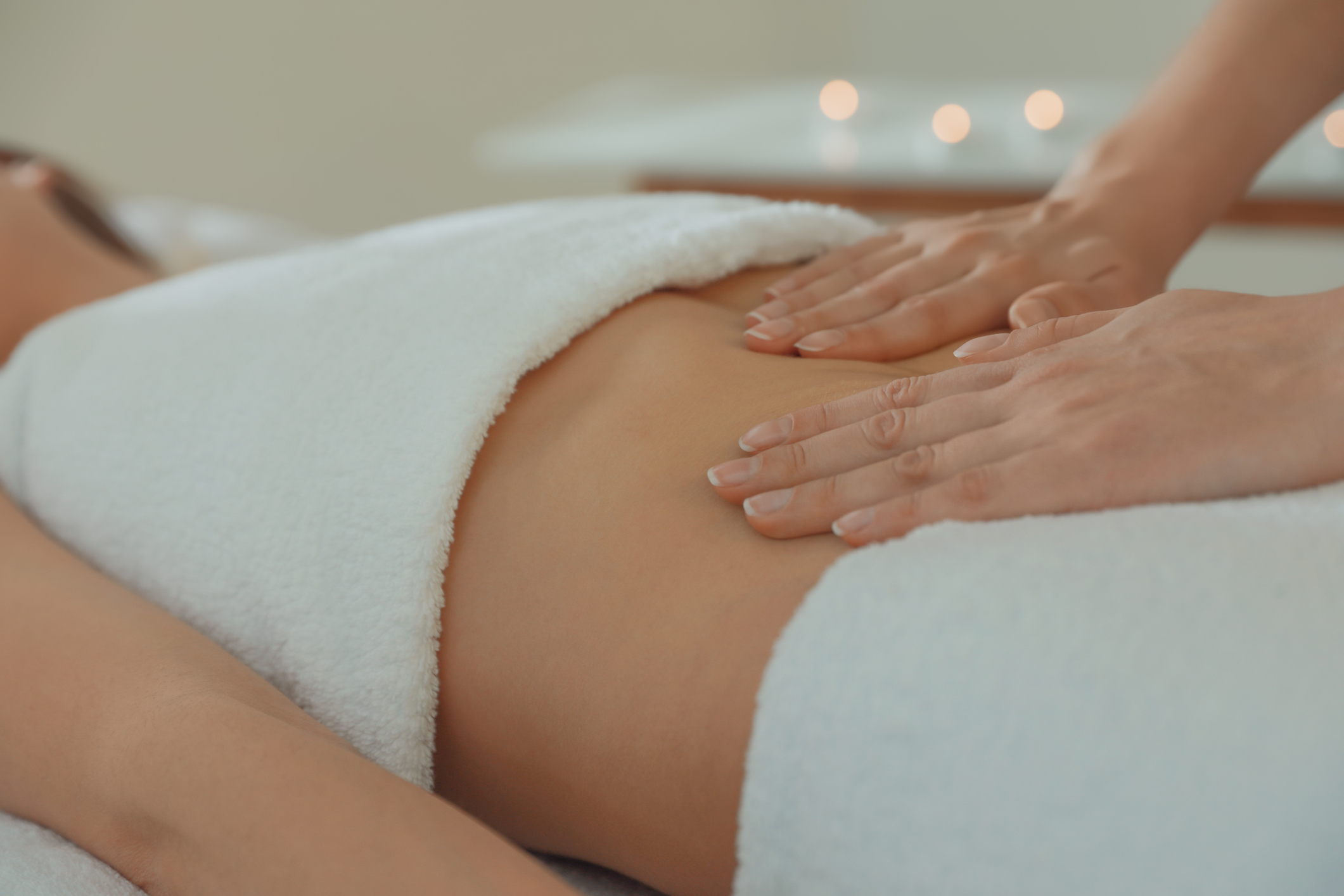
A massage, facial, or a wellness experience can offer an opportunity to step away from daily distractions and reconnect with the present moment. But mindful rest can also happen in ordinary places. It might be just a few quiet minutes before bedtime. You don’t need to eliminate every distraction or achieve a perfectly calm mind. You can simply begin by noticing how you feel.