An inside look at our team’s recent training in lymphatic drainage massage and myofascial techniques.
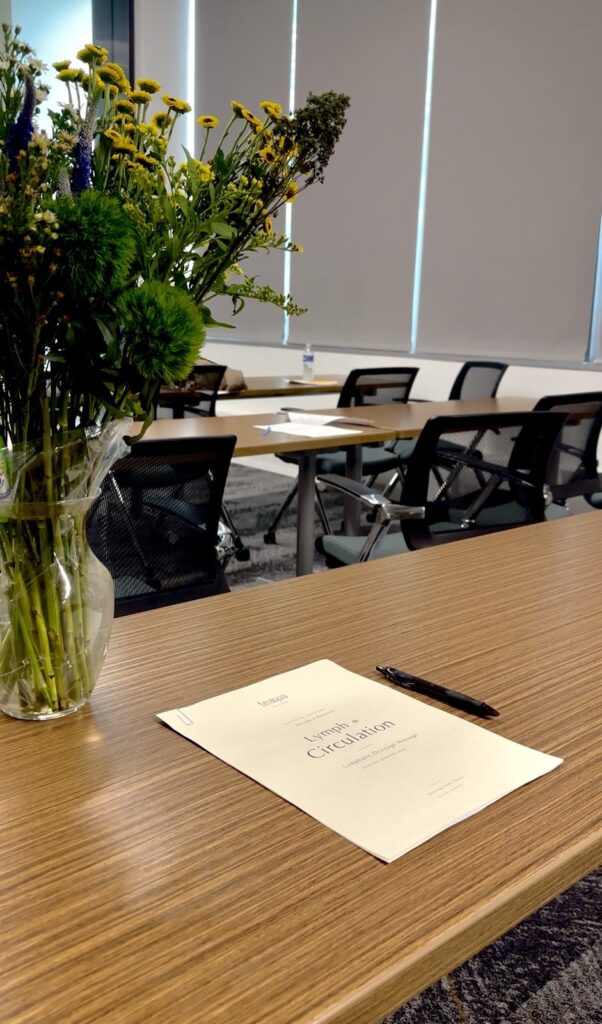
Behind every thoughtful wellness experience is something our guests may not always see: the time, dedication, and continuous learning that go into developing our therapists’ skills.
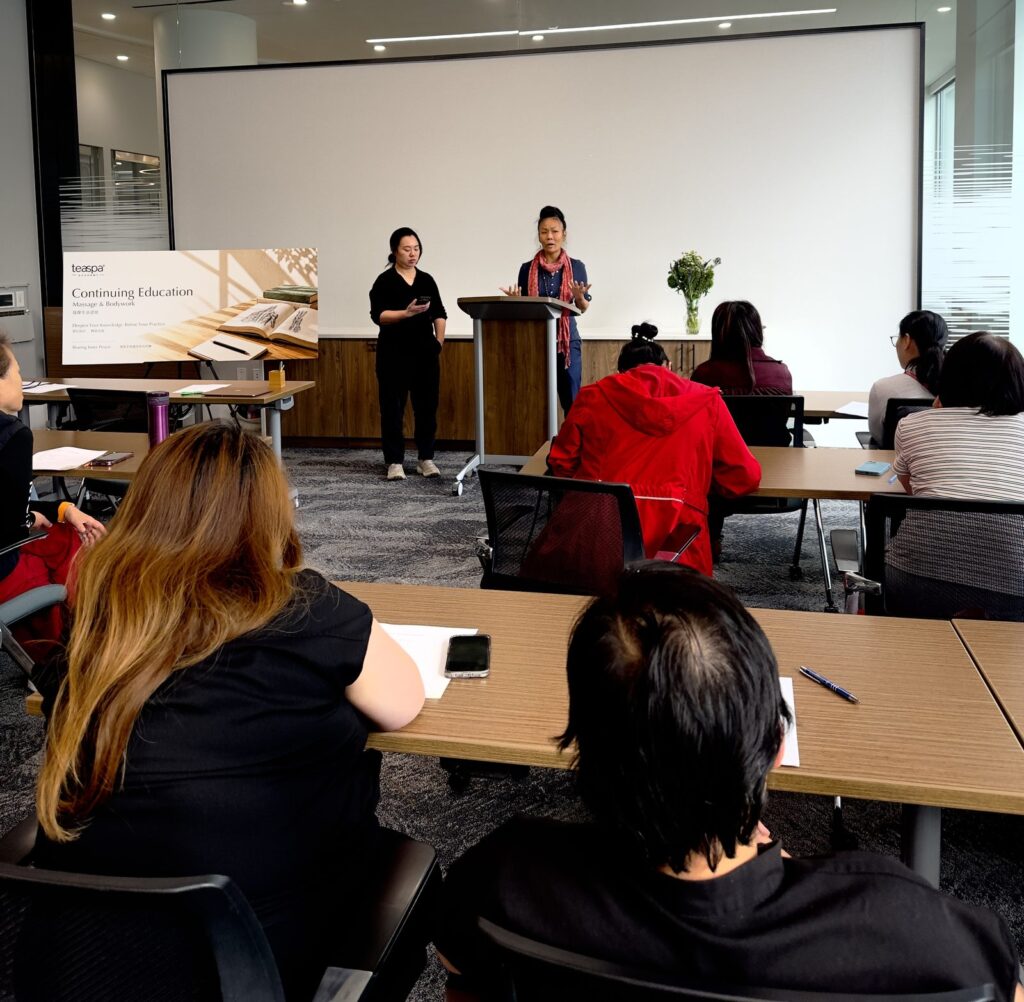
At Tea Spa Wellness, professional growth continues through education, practice, and the willingness to explore different approaches to wellness. Recently, our massage therapists gathered for a hands-on training session exploring lymphatic drainage massage, myofascia, and different approaches to therapeutic touch.
The session was led by Mimi, an experienced massage therapist whose journey into the profession began with a personal search for relief from chronic back pain.
From Personal Experience to Professional Passion
In 2014, while working at a dance studio in Atlanta, Mimi began exploring different approaches to managing her back pain. Her positive experience with acupressure massage sparked a curiosity about the human body that eventually led her to pursue massage therapy as a career. Over time, her interest expanded beyond massage techniques to understanding the factors that can contribute to pain, physical tension, and mobility challenges.
In 2020, an opportunity to collaborate with a former classmate introduced her more deeply to lymphatic drainage therapy. By early 2021, they had established a practice specializing in the approach. Through years of hands-on experience, continued education, and professional curiosity, Mimi developed a particular interest in lymphatic drainage, fluid retention, and the relationship between everyday habits and physical well-being.
That experience formed the foundation of the knowledge she brought to Tea Spa’s training session.
Understanding Lymphatic Drainage Massage
Lymphatic drainage massage is a specialized form of bodywork that generally uses gentle, rhythmic movements intended to encourage the movement of lymphatic fluid through the body.
The lymphatic system plays an important role in maintaining fluid balance and supporting immune function. Unlike the circulatory system, which relies on the heart to pump blood, the lymphatic system moves fluid through a combination of muscle activity, breathing, and contractions within lymphatic vessels.
During the training, educational materials introduced different approaches to lymphatic drainage massage, including traditional light-touch techniques and methods associated with South American massage practices. The materials also explored fluid retention, offering additional context for understanding why swelling may occur and why knowledge of the body’s systems is important when learning specialized massage techniques.
Although different approaches may share the name lymphatic drainage, they can vary in pressure, movements, and intended applications. Recognizing these distinctions is an important part of understanding the techniques and their limitations.
Exploring myofascia and the role of connective tissue
Another significant topic discussed during the session was myofascia.
Fascia is a network of connective tissue found throughout the body. It surrounds and supports muscles, organs, nerves, and other structures, helping provide structural support while allowing movement between tissues.
The term myofascial refers to muscles and their surrounding connective tissue. So, Myofascial release is a hands-on approach that uses sustained pressure or stretching techniques intended to address tension and restrictions involving muscles and fascia. While traditional manual lymphatic drainage generally involves light, rhythmic movements, myofascial techniques may use different levels of pressure and sustained contact.
The discussion of myofascia offered therapists another perspective on how connective tissue relates to movement, physical tension, and the application of therapeutic touch. Understanding these differences helps reinforce an important principle of bodywork: different techniques serve different purposes, and no single approach is appropriate for everyone.
Learning through demonstration and practice
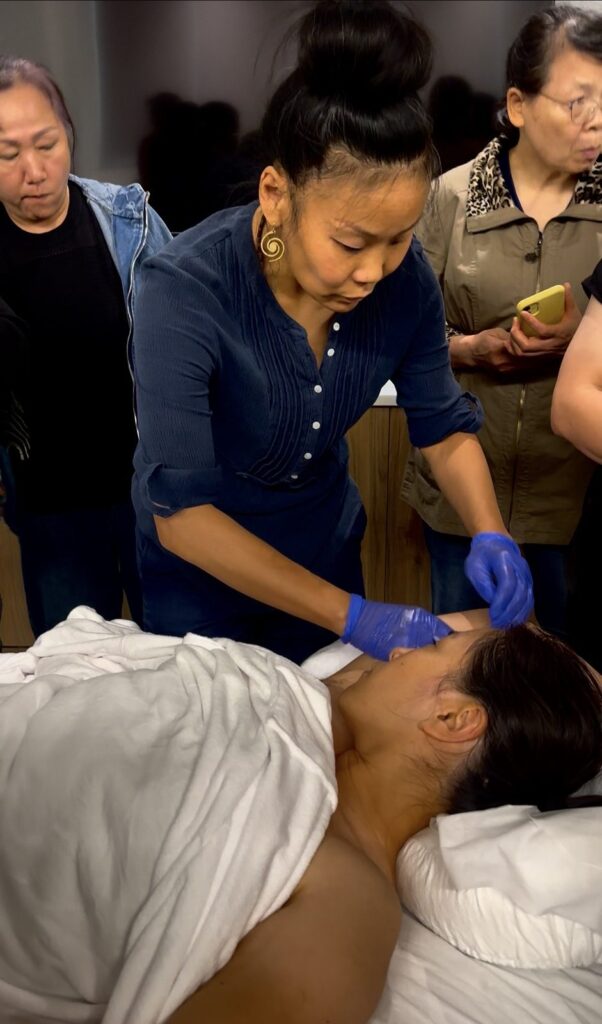
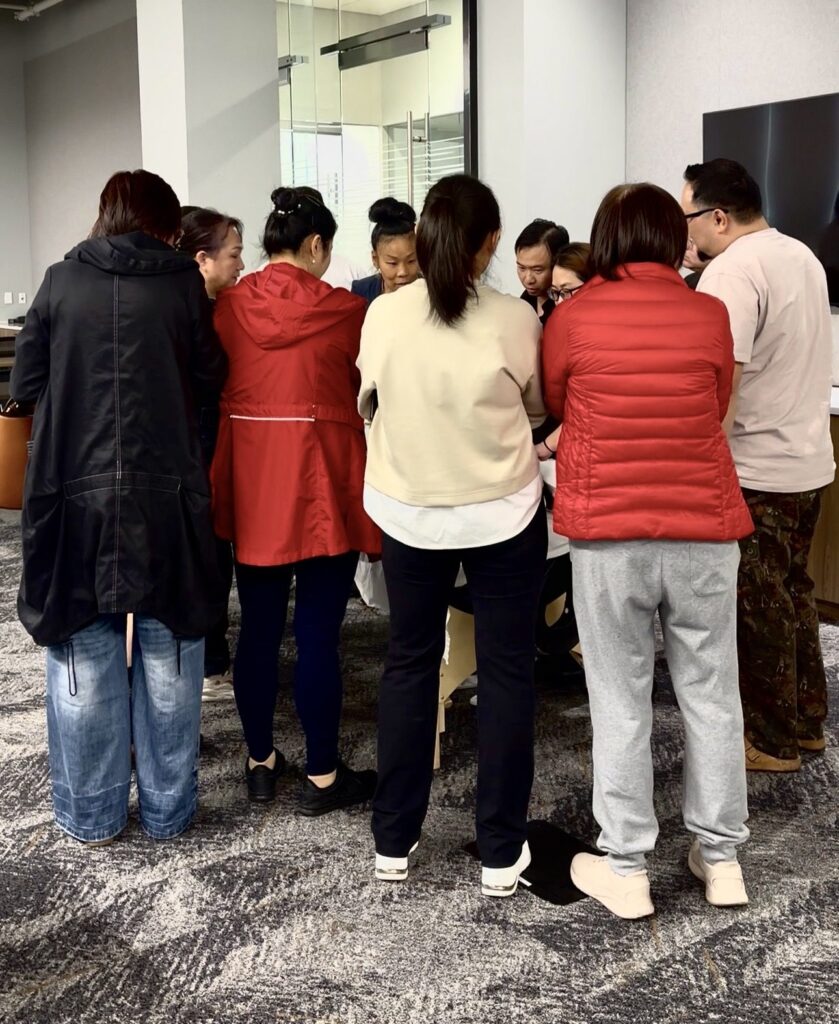
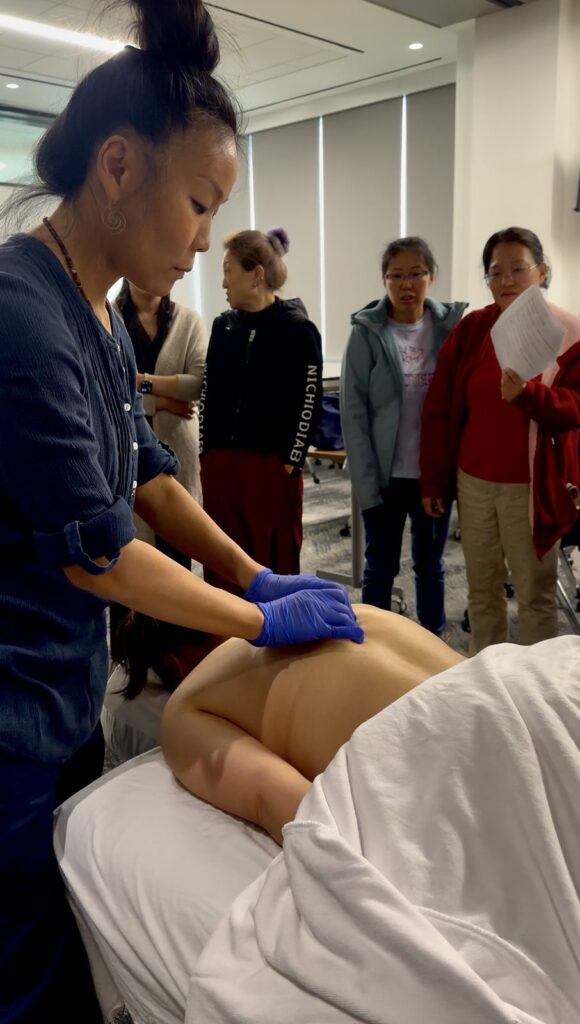
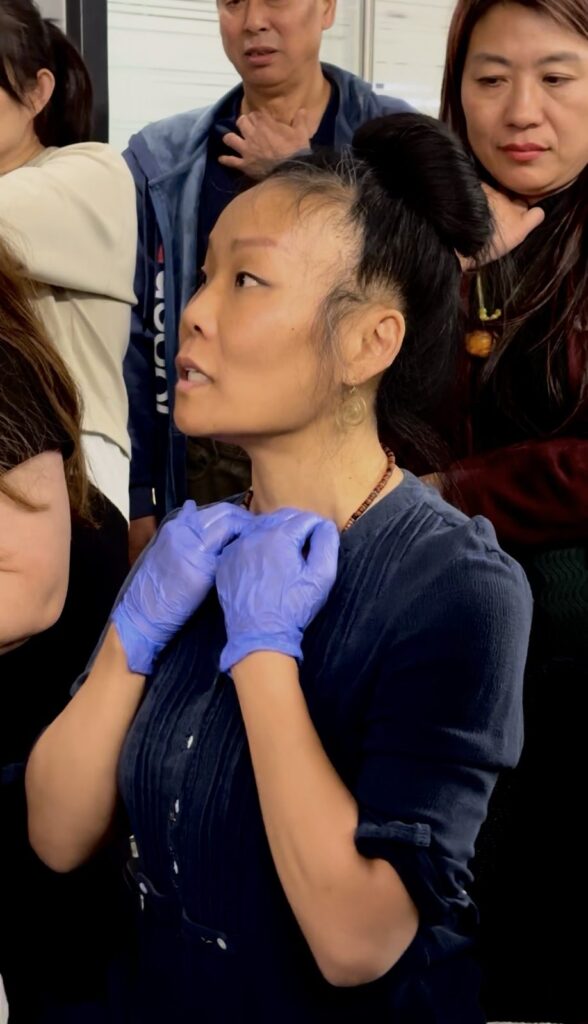
While educational materials provide a foundation, hands-on techniques often become clearer through observation and guided practice. Throughout the session, Mimi demonstrated massage movements on a model while Tea Spa’s therapists observed and participated in practical exercises.
The demonstrations offered an opportunity to examine how touch, pressure, and movement are applied, connecting the anatomical concepts discussed during the training with practical massage techniques.
For professionals whose work relies so heavily on touch, these opportunities are particularly valuable. They provide space to refine existing skills, explore unfamiliar approaches, and deepen awareness of how different techniques may be applied thoughtfully and appropriately.
More than learning a new technique
Professional development isn’t simply about adding another skill to a therapist’s experience.
It’s also about remaining curious.
The field of massage therapy continues to offer opportunities for practitioners to expand their knowledge of anatomy, movement, and different approaches to bodywork. Continuing education encourages therapists to ask questions, recognize the limitations of particular techniques, and consider the individual needs and health circumstances of the people receiving care.
Growing together, Sharing Inner Peace
At Tea Spa Wellness, our mission of Sharing Inner Peace is reflected not only in the services we provide but also in the way we approach our work. It lives in our willingness to learn, our commitment to professional growth, and the attention we bring to each experience.
This training session offered our therapists an opportunity to step outside their everyday routines, deepen their understanding of therapeutic bodywork, and continue developing their skills together because caring for others also means continuing to learn how to care well.