Mindful Living · Tea Spa Journal
Before you reach for the medicine cabinet, what else might you need?
It’s three o’clock in the afternoon.
Your head is aching, your shoulders are tense, and you’ve spent most of the day staring at a screen. Without much thought, you reach for something to ease the discomfort.
It’s understandable. When something hurts, we want it to stop. But what if, alongside finding relief, we became a little more curious about what our bodies might need?
Perhaps you haven’t had enough water. Maybe you skipped a meal or ate something that didn’t provide the nourishment and energy you needed. Maybe you slept poorly the night before, or haven’t taken a meaningful break all day. What if this moment of discomfort could also be an opportunity to reconsider how we care for ourselves?
When relief becomes our first thought
We live in a world where convenience and quick solutions are often valued. Modern medicine has made extraordinary advances, helping us relieve pain, treat infections, and manage conditions that once had few effective treatments. For many people, medication is an essential part of staying healthy.
However, in the rush of everyday life, it’s easy to overlook the habits that influence how we feel. We push through exhaustion because there’s work to finish. We ignore hunger because we’re too busy. We sacrifice sleep, promising ourselves we’ll catch up over the weekend. Eventually, these habits can take a toll, yet we may be so accustomed to pushing through that we barely notice.
Of course, not every headache is caused by stress or dehydration, and some symptoms require medical attention, but recognizing the importance of medical treatment doesn’t mean overlooking the everyday choices that support our well-being.
When was the last time you rested without feeling guilty? Ate a meal without rushing? Or simply sat quietly without thinking about what needed to be done next?
Wellness may look like a cup of tea
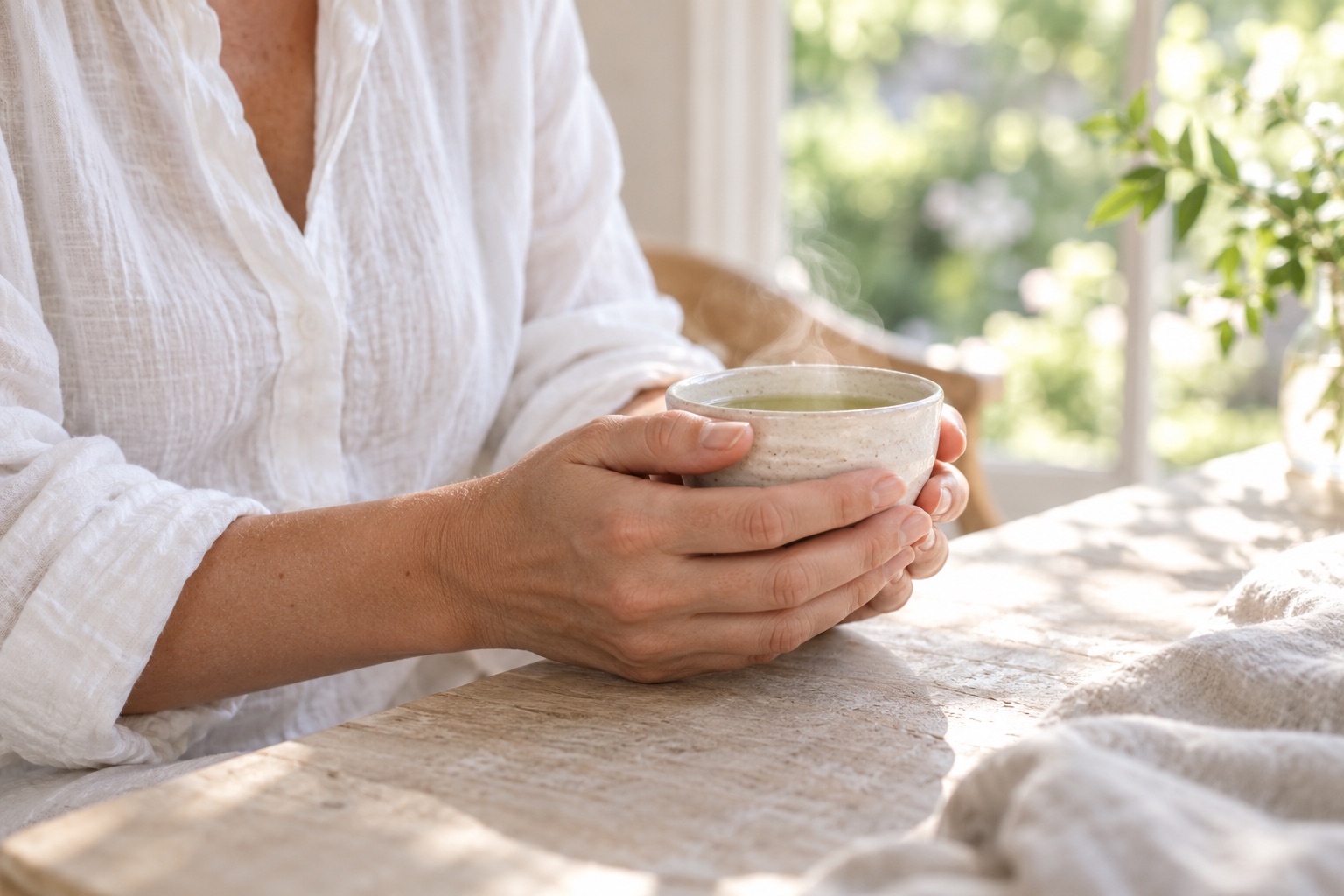
There’s something comforting about preparing a warm cup of tea; the gentle sound of water pouring, the warmth settling into your hands and the familiar aroma rising from the cup. For a moment, the world seems to move a little more slowly.
Tea isn’t a cure for every ache or illness, but the ritual offers something valuable: an opportunity to pause.
That pause can take many forms: a short walk after a long day, a few minutes of mindful breathing, an earlier bedtime, or an afternoon without a screen. None of these moments needs to be extraordinary to be meaningful. Sometimes, the smallest changes in our routines can help us make more room for ourselves.
Caring for the whole person
Our physical health doesn’t exist separately from our emotional well-being or the demands of everyday life. The way we sleep, eat, move, and manage stress can influence how we feel. That’s why caring for the whole person means looking beyond individual symptoms and considering the many factors that contribute to our health.
Someone managing a chronic condition may rely on prescribed medication while also benefiting from healthy routines and appropriate stress-management practices. Someone carrying the tension of a demanding week may find comfort in a relaxing massage or a moment of mindfulness.
These approaches serve different purposes, but they can complement one another. Rather than treating wellness as a choice between conventional medicine and holistic practices, we can recognize the value of both.
Making room for inner peace
Sometimes, caring for ourselves means seeking help from a healthcare professional. Other times, it means recognizing when we’re overwhelmed, nourishing our bodies, or finally allowing ourselves to rest. There is no single formula.
At Tea Spa Wellness, we believe that creating space for stillness can be a meaningful part of that journey. For those seeking a quiet, reflective experience, our Energy Healing (Reiki) sessions offer an opportunity to slow down, relax, and reconnect with the present moment.
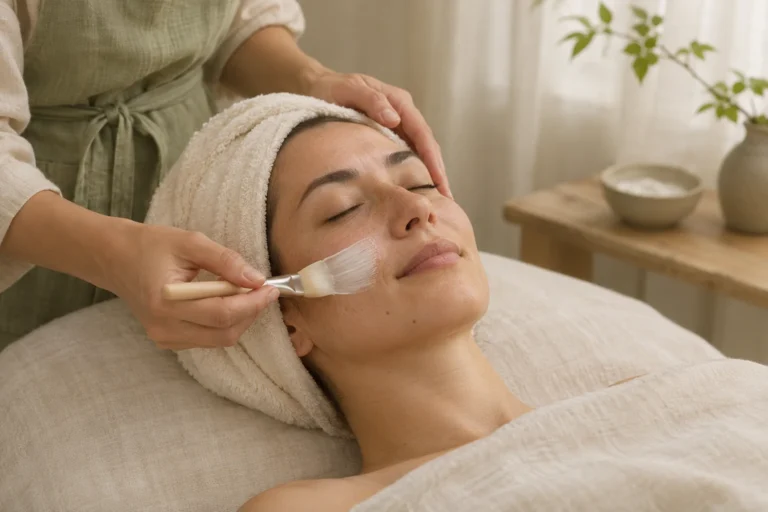
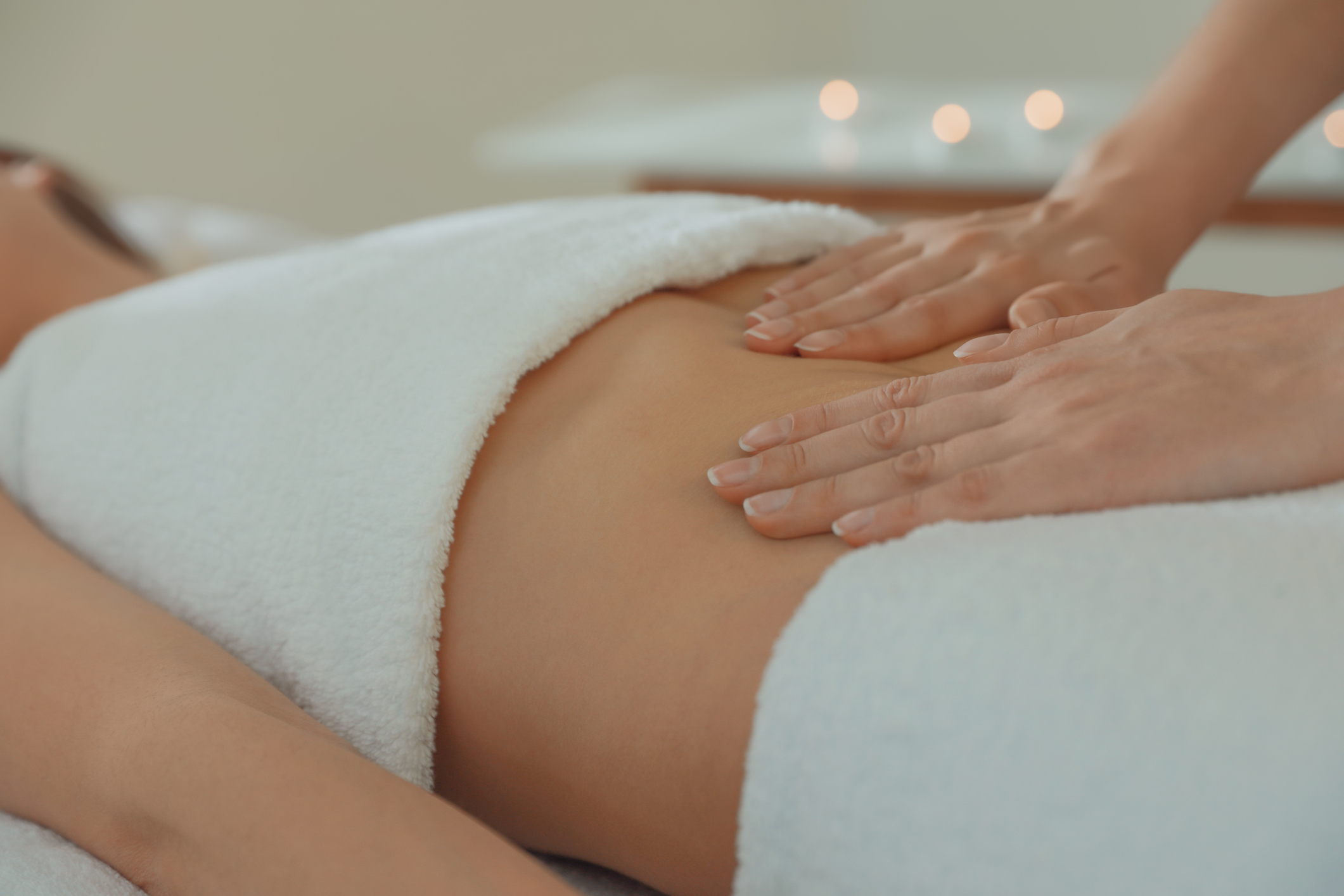
For those carrying the physical tension of everyday life, our Stress Reduction Massage offers a comforting space to unwind and experience relaxation through therapeutic touch.
Neither experience replaces medical care. Rather, they offer different opportunities to make time for ourselves and cultivate a sense of calm. Our needs change and learning to recognize them is part of the journey.
Perhaps the question isn’t whether we should turn to medicine or embrace a more mindful lifestyle. Perhaps it’s how we can care for ourselves with greater awareness, compassion, and intention, and perhaps that’s where inner peace begins.